
Where you can bring it all
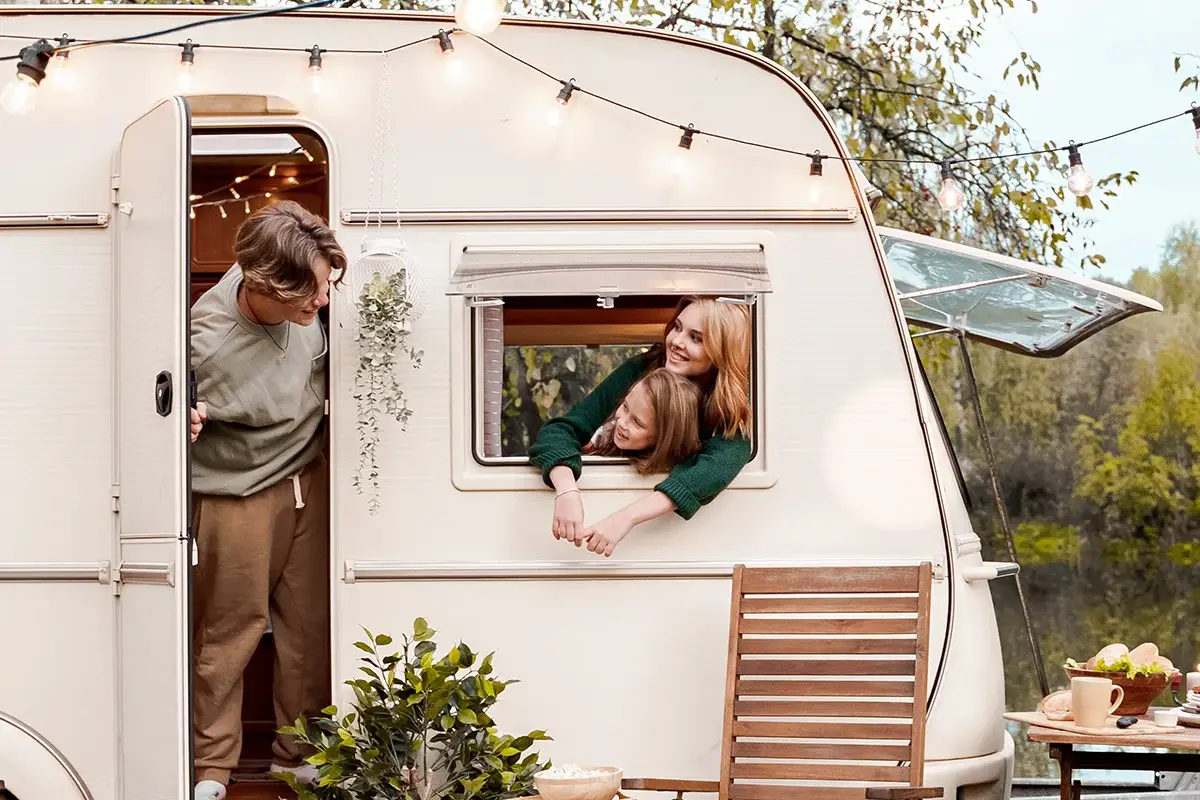
I noticed it as I pulled up to Hahn’s Peak Lake in northwestern Colorado in my Toyota Tacoma. There at our state park camp was our friend Nick in his new pop-up camper in a scene made for an L.L. Bean catalog. It made me glad to be joining him. Everything was laid out perfectly: a kitchen area with table, an awning, a floor mat, happy hour drinks glistening on a roll table, and a campfire crackling in the fire pit.
Unlike backpacking, car camping allows you to bring more gear, so you might as well. It means you can create a setup in the great outdoors that feels like a second home. But it takes a little foresight. Below are a few tips for making your next campsite sing.
Pick the right site. If you’re reserving a spot, do some research and find the best available spot (i.e. close to the water, scenic view, no bathroom aroma, etc.). If you’re showing up without a spot (which can be risky), or camping in a dispersed area, don’t settle for the first site. Explore the area first. As they say in real estate, “location, location, location.”
Park strategically. Site secured, look for level ground to park your camper or pitch your tent, ideally with some natural protection from wind. Make your camper part of the furniture, positioning the door to be part of the action. Also consider sun exposure, for both heat and sleeping past sunrise.
Make it yours. Think about your layout; treat your campsite like a small apartment with zones for sleeping, cooking, eating, and relaxing. Add personal touches to make your campsite your own — string lights, a speaker, a hammock, and some flags. All this will make your campsite feel inviting.
The kitchen is king. Just like back home, people congregate in the kitchen — even if yours has squirrels. So, make it comfy. While available tables and/or camper proximity may be restricting, spruce it up with things like a dirt mat, proper kitchenware, folding tables (one for cooking, one for drinks), coolers for food and beverages, and more.
Seating. Kicking back is key, so bring enough camp chairs for everyone. Set them up around a central spot — like a fire pit — to create a natural gathering area. This becomes your living room where you can eat, relax, and socialize. Add a tarp or canopy if needed for shade or rain protection.
Heed all fire regulations. Oftentimes, this means no open flames, which includes campfires and even charcoal. So, plan your meals and nighttime reveling accordingly. Hint: Portable propane fire pits are often allowed and can be a great alternative. Or use a battery-powered lantern or other faux-flame device as the focal point.
Lighting. Just like in your home, lighting helps set the mood once the sun goes down. Use a mix of lanterns and string lights to create both functional and ambient lighting. Keep brighter lights in the kitchen area for cooking and softer lighting in the seating area for chilling.
Get your ducks in a row. Organization keeps things running smoothly. Try using labeled bins or bags for such things as cooking gear, clothing, food, and more. It will help when you’re trying to find something in the dark or during bad weather.
Safety/cleanliness. Store your food securely and away from your campsite to avoid attracting wildlife, bring trash bags, separate your recyclables, and pack out everything you bring in.
Eugene Buchanan is an award-winning author whose work has been published in The New York Times, Men’s Journal, Outside, National Geographic Adventure, and more. His new book, Yampa Yearnings was released in December 2025. He lives in Steamboat Springs.
Photo courtesy of Irina Velichkina, iStock/Getty Images Plus