In November, shorter days and cooler weather remind us to make the changes needed to prepare for the coming winter weather. Heading outside a few minutes early to warm up the car and scrape the windows, last minute yard and garden preparations, and winterizing outdoor tools and toys used in warmer months are all part of the routine. Preparing your home for colder weather should also be part of your routine.
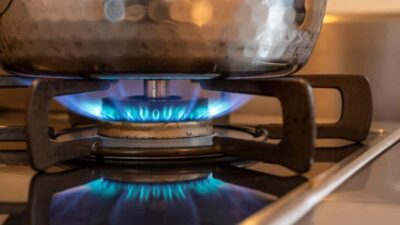
Making sure your heating system has been inspected and you have fuel are important. If your system has an air filter, make sure it is clean. Check your thermostat to ensure the temperature is correct. A lower temperature setting will reduce your heating bill. If your thermostat is programmable, check the settings. For furnaces, you can save money by programming the temperature to drop 10 degrees lower while sleeping or away. The lower setting will save money, and you can program the furnace to warm your home back up 30 minutes before you wake up or return.
If you have a heat pump, it is better to program your thermostat to maintain your desired temperature unless you will be gone for more than 24 hours. A heat pump is an economical way to heat your home because it transfers heat instead of creating heat. It uses less energy maintaining a constant temperature than running at maximum capacity to quickly heat your home up 10 degrees. You can save more money by running your heat pump in heat mode instead of auto in the winter. The auto setting will maintain the temperature within a narrow band. You could end up paying to transfer the heat gained from the sun during the day back outside to maintain the set temperature.
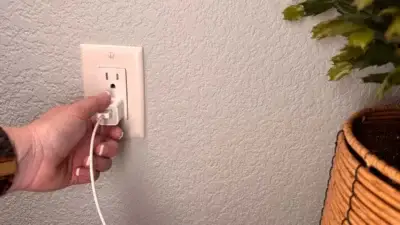
If you are planning to use portable electric heat sources, inspect them to make sure they are up to the task. Check the cord insulation and plug for damage. For space heaters, make sure to test the tip-over safety switch. Also remember to only plug in one heating device per circuit and don’t use an extension cord or power strip.
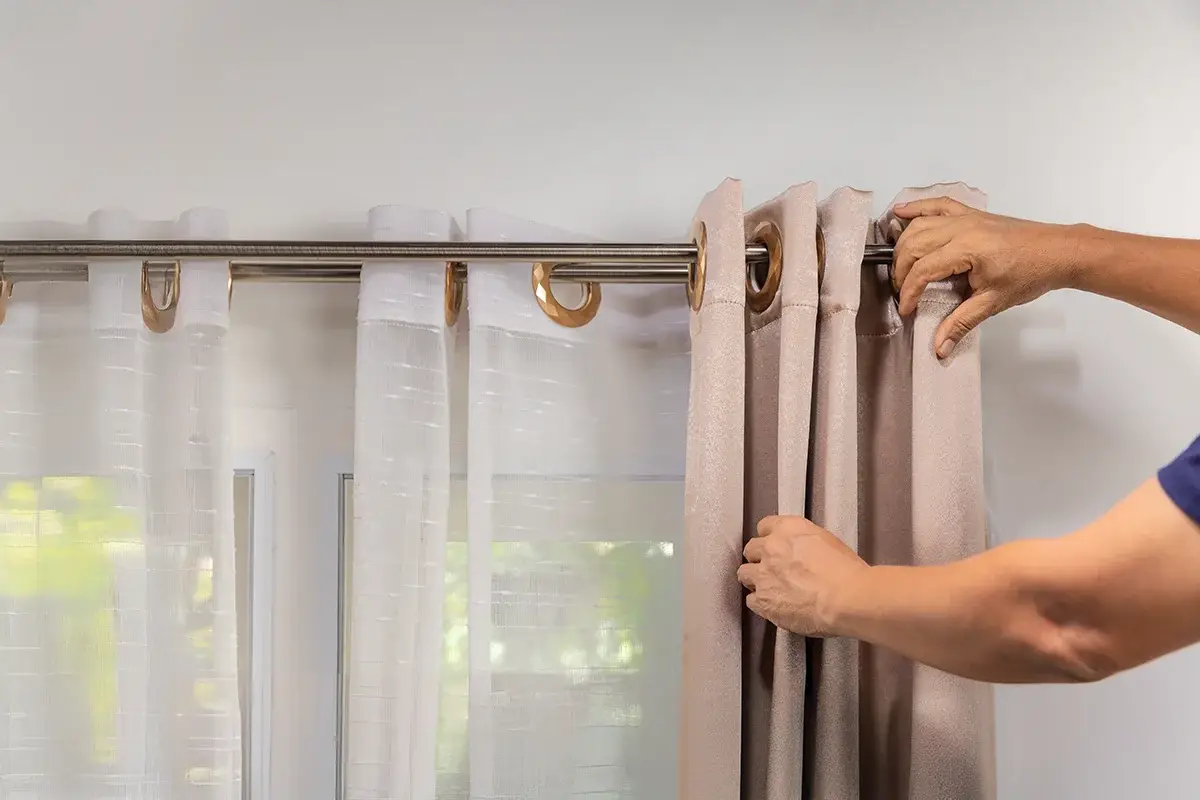
Keeping heat inside is important. Check the weatherstripping around doors and caulking around windows to seal warm air in and keep cold air out. Opening window coverings during the day to let the sun heat your home and then closing them at night to hold the heat in can help reduce your heating bill. If you have ceiling fans, changing the direction of rotation so that air is pulled up and moved toward the ceiling will help distribute warm air at the top of the room while avoiding the cooling effect of having the fan blow directly on you.
Making these simple changes to your routine can keep you warm and cozy while reducing your winter heating bill.
By Andy Carter, EEA Member Engagement Manager