
The terms “easement” and “right-of-way” may sound like neighborhood covenant lingo and a traffic sign message respectively, but they exist to help Empire Electric Association and other utilities provide quality service.
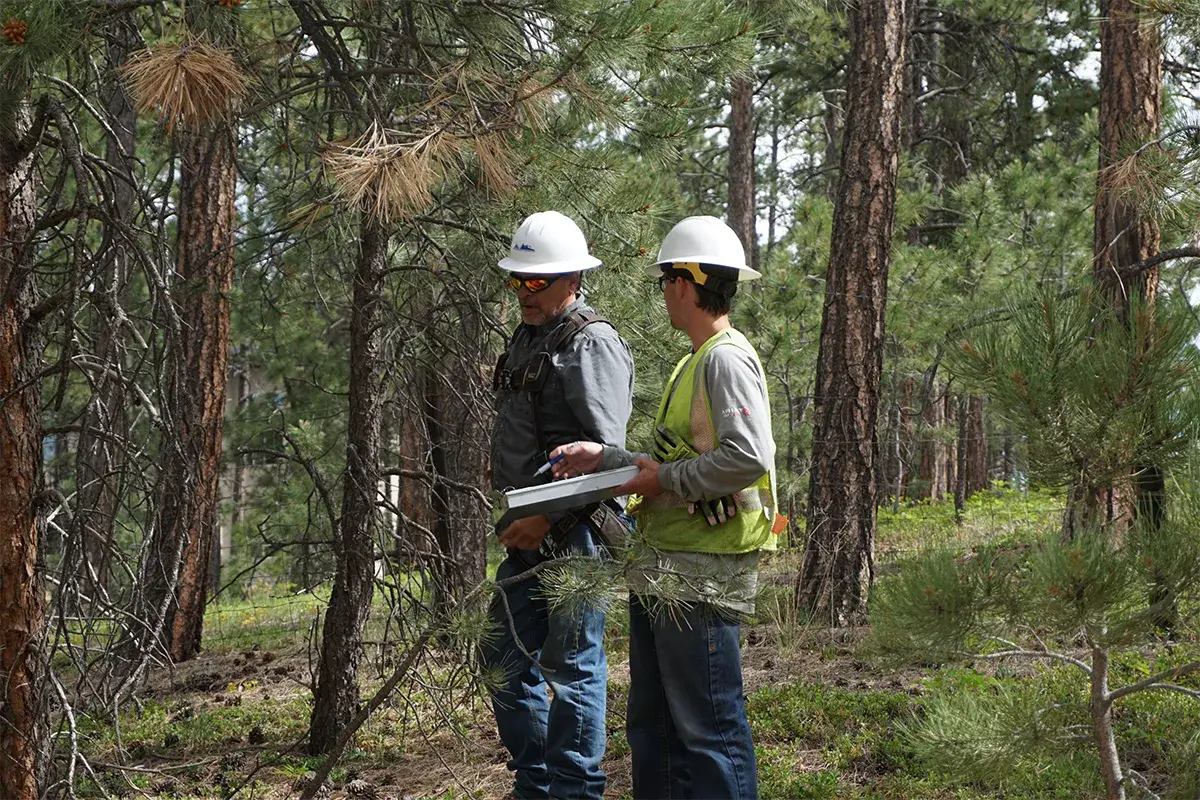
If you’re a homeowner, you most likely own the property your home sits on; however, utility companies have the right to use parts of it — known as “right-of-way” — to perform equipment or line maintenance or to restore services. For properties located in municipalities or subdivisions, utility easements are areas that were designated for overhead and underground utility access when your home was first platted. For properties located in unincorporated areas, utility easements are created when the utility provider first constructs facilities on the property.
Why are easements necessary? Because it is more efficient and less expensive to run utility services in common corridors than it is to run them around parcels of land. They also ensure utilities have the legal right to access their facilities so they can perform required maintenance or make repairs quickly and efficiently. Other benefits of easements are they keep our members safe by providing appropriate clearance from high voltage lines or pressurized gas lines, minimize the chance of service disruptions by limiting activity in the easement, and keep utility employees safe by providing clear work areas. Having right-of-way access does not mean utilities can do whatever they want on your property. It does mean they can use the area in a way that is advantageous to you, your neighbors, and your community.
Utility lines that allow for electric, gas, telephone, cable, and fiber optic services cover a lot of area. Underground utilities cover more than one football field’s length of buried utilities for every man, woman, and child in the United States. In total there are 100 billion feet of underground utilities in the U.S. according to data compiled by the Common Ground Alliance. Also massive in scope and range, overhead lines span millions of miles across the country.
If you have plans to dig on your property, EEA reminds you to call the national digging hotline 811 at least 72 hours before you start. Or use the online locate request website bluestakes.org in Utah or colorado811.org in Colorado. If you plan to dig in a spot marked more than 10 days ago, notify 811 again to get the site remarked.
Remember, some buried lines are only a few inches below the ground’s surface, so everyone needs to call 811 before they dig, not just contractors using large equipment. For your safety to avoid severe electric shock or injury, and the safety of others, call before you dig.
Workers who locate service utility lines should arrive in a marked vehicle and have proper identification. If you have any concerns about electric utility locates in our service area, please call us at 970-565-4444. Thank you for keeping safety first. To find out more about electrical safety, visit eea.coop/electrical-safety-information and safeelectricity.org.
Andy Carter is the Member Engagement Manager at Empire Electric Association.