

As your local electric cooperative, GCEA is focused on delivering reliable, cost-effective energy solutions that benefit its members. One of its newest projects — the 1.125-megawatt Oh Be Joyful (OBJ) solar array in Crested Butte — was developed in partnership with local organizations and solar developer Outshine Energy. The following Q&A answers common questions about the project, including how the site was selected, how it performs in a high-elevation environment, and what it means for GCEA members.
- How was the OBJ site selected? In 2020, after having tried unsuccessfully to develop a solar array in other locations within Gunnison County, GCEA hired a solar siting consultant to help identify the most viable solar development locations within GCEA’s service territory. In the analysis process, the OBJ site was identified as one of the most viable solar development locations due to the site’s ownership, usage potential, conservation easement status, wildlife habitat, and proximity to a substation.
- Why did GCEA pursue the OBJ array? The GCEA board has had a longstanding strategic goal to take greater advantage of the local generation allotment allowed within GCEA’s contract with Tri-State Generation and Transmission Association when local generation can be developed in ways that benefit members and remain cost-effective.
- Does the hillside adjacent to the OBJ array affect OBJ’s energy production? Yes. Gibson Ridge shades the OBJ array in the afternoon in the winter. However, solar production is naturally lowest in winter when days are short, the angle of the sun is low, and clouds and snowfall are common. In summer, when days are long, the sun is stronger, and snowfall is not a factor, the sun sets farther north, and the array is not significantly affected by hillside shading.
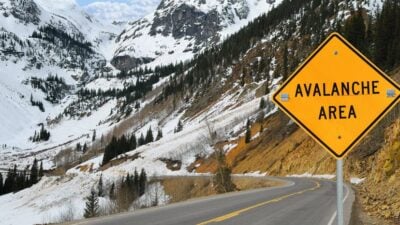
- Aren’t there snowslide hazards on the OBJ site? Yes. Prior to the development of the OBJ site, a snow study consultant assessed the existing snowslide hazards and patterns on the property. The analysis identified zones with 30-year, 100-year, and greater-than-100-year recurrence intervals. The array was built within the 100-year and greater zones, resulting in its L-shaped configuration.
- Will GCEA maintain snow that falls on or around the panels? No. The bottom edge of each panel is approximately 5 feet above grade to allow for snow shed. Plowing between the panels could risk damage to the racking and the panels. It is expected that there will be some generation loss due to snow coverage, especially in high snowfall years. The black glass solar panels shed snow efficiently, and their bifacial design will still generate some energy even when the upper surfaces may be snow covered.
- Does the development of the OBJ array impact GCEA’s rates? The OBJ array is expected to have little to no impact on member rates. A significant portion of the project’s cost is being offset by federal Inflation Reduction Act clean energy incentives, and the remaining costs are supported through the sale of Renewable Energy Credits (RECs) to local organizations. Together, these factors allow GCEA to invest in local renewable energy without placing additional cost impacts on members.
Matt Feier is the Strategy Execution, Technology, and Member Experience Manager at Gunnison County Electric Association.