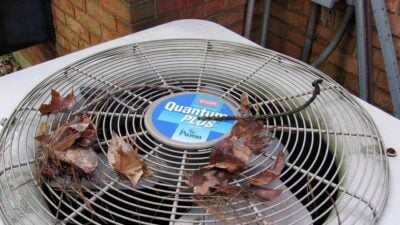


Replacing a propane heating system with an electric heat pump is one of the most practical ways to reduce energy costs, improve comfort, and decrease dependence on delivered fuels. Heat pumps can lower heating costs by up to 50% while providing both heating and cooling from a single system. Unlike propane furnaces, heat pumps do not create heat through combustion. Instead, they move heat from one place to another. In winter, they extract heat from outdoor air and transfer it indoors. In summer, they reverse the process, operating like an air conditioner to remove heat from the building.
WHY SWITCH FROM PROPANE?
While propane provides reliable heat, it requires fuel deliveries, on-site storage, and is subject to price fluctuations. An electric heat pump can significantly reduce or even eliminate propane use for space heating. Key benefits include:
- Reduced dependence on propane deliveries and fuel storage
- High efficiency, delivering multiple units of heat for each unit of electricity used
- Year-round comfort with both heating and cooling capabilities
- Improved indoor air quality by reducing combustion-related byproducts
- Lower greenhouse gas emissions as the electric grid incorporates more renewable energy sources
HEAT PUMPS IN COLD CLIMATES
Modern cold-climate heat pumps are designed to perform efficiently even in low temperatures. Success depends on proper system sizing, installation quality, insulation levels, ductwork condition, electrical capacity, and overall heating demand. Some buildings can fully replace propane heat, while others benefit from a dual-fuel system that uses propane as backup during the coldest weather. In our area, dual-fuel systems are often recommended.
REBATES AND FINANCING
Gunnison County Electric Association offers heat pump rebates, including conversion bonuses for members switching from propane or natural gas. Rebate amounts vary by system size and can be found on the GCEA website at gcea.coop. Heat pump projects may also qualify for GCEA’s On-Bill Repayment program. Rebates are applied first, and the remaining project cost can be repaid gradually through monthly utility bills, making upgrades more affordable for homeowners and businesses.
BEFORE YOU MAKE THE SWITCH
To ensure a successful project, be sure to:
- Review one to three years of propane usage.
- Improve insulation, air sealing, and duct sealing where needed.
- Request a professional heating load calculation.
- Verify that electrical service can support the new equipment.
- Evaluate total project costs, including installation and upgrades.
- Confirm rebate eligibility before starting the project.
BOTTOM LINE
Switching from propane to an electric heat pump can increase efficiency, improve comfort, help lower greenhouse gas emissions, and reduce exposure to fuel price uncertainty. With proper planning, accurate system sizing, and available GCEA rebates and financing options, building owners can lower upfront costs while modernizing their heating and cooling systems.
Alantha Oliver is an Energy Use Advisor at Gunnison County Electric Association.