

Why sleep is getting harder — and ways to fix it
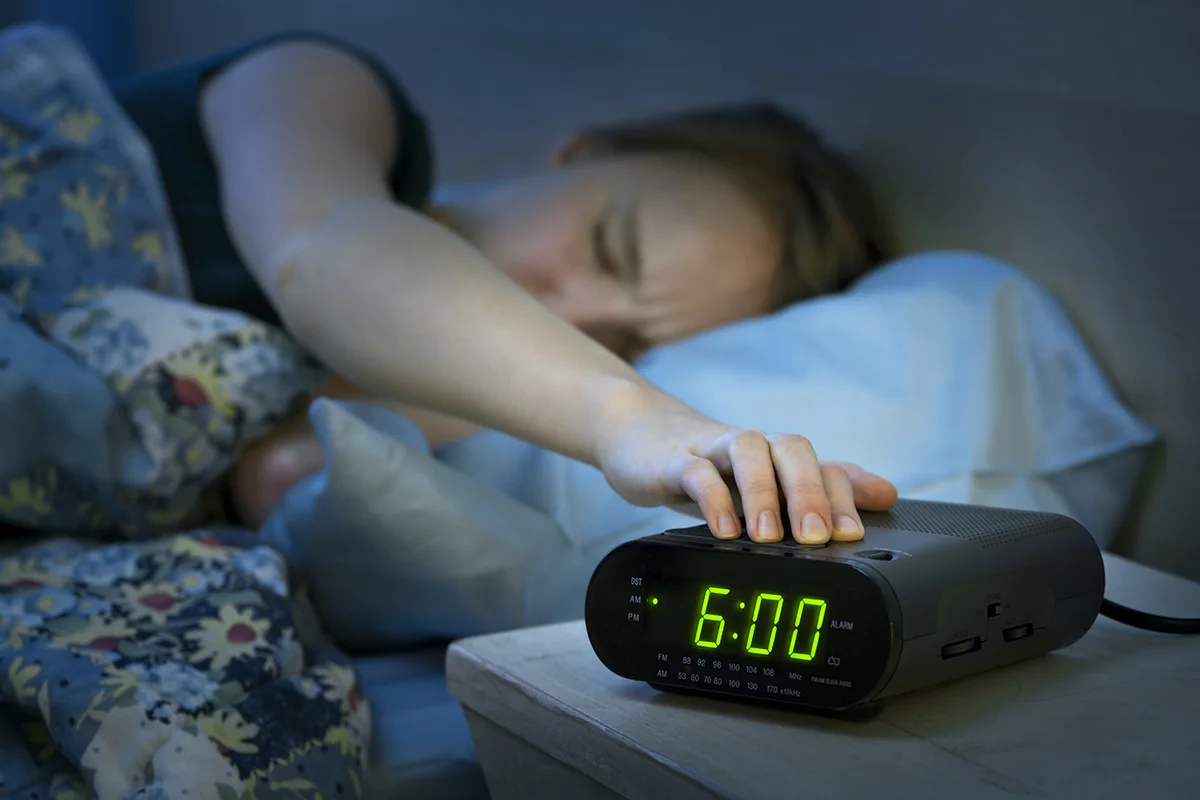
As a mom to an 11-month-old daughter, Monica Vick knows the importance of sleep. She works four 10-hour days as La Plata Electric Association’s creative services and brand specialist, and on those workdays, she wakes to a 6 a.m. alarm. “The amount of times the baby woke up in the night typically corresponds with the number of times I hit snooze,” she said.
Once she’s out of bed, her morning routine begins. “I sneak out of bed and quietly get dressed and ready for work, while my husband and baby sleep. I’m on the road by 7 a.m. after sneaking in a soft hug and kiss for the baby, and I get my first cup of coffee at the office,” she said. The number of cups of coffee she has can also be determined by the number of times her daughter woke up the night before, but it’s never more than three, and she stops drinking coffee by noon as to not disrupt that night’s sleep. “It’s a tricky balance,” she commented.
Monica is on call every other week to handle member communications, should a power outage arise. “When it comes to outage communications, if I don’t feel confident in my ability to make good split-second communications decisions, I know I can rely on my team to pick up my slack, and vice versa,” she said. “A strong team, good work-life balance expectations from LPEA, and strong support of family needs make the tough days much easier.”
“In my day-to-day, less sleep might affect how much time my teammates spend editing [my work], but it doesn’t have as consequential an effect as it does on some of our other staff, like equipment operators or lineworkers,” Monica said.
In the electric cooperative world, alertness isn’t optional. Whether it’s driving rural roads, responding to outages, or making decisions around live power, being well rested matters. But across the United States, intentionality around sleep is increasingly hard to come by. Shift work, long commutes, caregiving responsibilities, and screen time are quietly eroding sleep.
SLEEP UNDER PRESSURE
The importance of sleep is not lost on CREA Job Training and Safety Instructor Mike Pendy. “Sleeping is my superpower,” he said. “It’s not too often that I have a bad night’s sleep.” Mike said that he is ready to face the day when he is well-rested. “Sleep has always been a priority for me. If I don’t get adequate rest, I’m not functioning at 100% the following day.”
As a former lineworker at Gunnison County Electric Association, Mike said being on call was sometimes tricky. “When I was still doing electrical linework, sleep was less predictable during my time on call. I could go to sleep at 10 p.m. and then be back at work at midnight and working until daylight,” he recalled. “Fortunately, we were allowed rest time the following day, but it might take a day to reset my internal clock.”
Now Mike is on the road a lot for work, traveling to electric co-ops in the southern part of the state.
“Initially it was difficult,” he said of getting used to the travel. “Going to bed and waking up in a different town every week was a little disorienting. Since then, I’ve found that I’ve developed a routine in each of the towns where I stay.” This routine, he said, has become familiar, and it helps him get a good night’s sleep. “It’s also helpful if I can get a good walk in after work,” he commented. “I believe that exercise is an important component of maintaining good sleep hygiene.”
“The most important aspect of getting adequate sleep revolves around the amount of driving that I do on a weekly basis. Driving while overly tired can be extremely dangerous. I need to stay alert and focused while I’m on the road,” Mike said.
THE COST OF POOR SLEEP
Experts warn that the cost of poor sleep is much greater than people may think. Over time, chronic sleep loss is linked to increased risk of heart disease, diabetes, depression, obesity, and cognitive decline, according to the National Institutes of Health. Harvard Medical School research found it also raises the likelihood of workplace errors leading to injuries and motor vehicle accidents.
Taryn Edwards is an executive assistant for Great Plains Sleep Specialists and said lack of sleep also affects people mentally and emotionally, even if they might not realize it’s sleep-related.
“People might be more irritable, forgetful — they can’t think straight or focus,” she said. “Sleep isn’t a luxury; it’s a basic health need. When sleep disorders go untreated, they also affect someone’s family, workplace or school, and even other people on the road.”
“Thankfully, sleep disorders are very treatable. They just rarely get better on their own, so the earlier people address them, the better the outcome.”
A SLEEP RESET
Mercy Health’s Mikala Jordan emphasized that there are simple ways to improve your sleep without expensive or unrealistic means. A routine and small, practical changes can make a measurable difference.
- Protect your schedule. One of the biggest things to improve sleep quality is having a schedule that you’re sticking to as much as possible. Consistency matters more than perfection, so going to bed and waking up at roughly the same time helps reset the body’s internal clock. If you’re on call and get an unexpected wake-up call, Mikala recommends going back to the normal routine as soon as possible.
- Mind your lighting. Bright, cool-toned bulbs and screens in the evening signal the brain to stay alert, so avoid them if possible. Ideally, that means no TV or phone time 30-60 minutes before bed.
- Create a sleep sanctuary. To improve sleep, your room should be dark and cool with a comfortable mattress and pillow. Mikala also recommends some sort of white noise and using your bedroom only to sleep. That means, you’re not watching TV while you’re in your bed.
Monica puts this advice into practice and prioritizes a routine to set her family up for a successful night of sleep.
“We try to practice good sleep habits every night, even with the baby,” she said. “Blackout curtains, a lavender diffuser, and soft waves playing on a sound machine set the stage each night for a deep rest,” she said. The perfect deep rest might not happen each night, “but the effort feels important.”
Mike’s routine is helpful for him too. “Usually by 10:30 p.m., my mind is winding down and telling me it’s time to turn off the lights,” he said. When it’s more difficult to relax, Mike said he will listen to an audiobook when he turns the lights out. “It must be something a little on the boring side. I find that it puts me to sleep in short order.”

WHEN AND HOW TO ASK FOR HELP
Sometimes, sleep problems aren’t just about habits. Experts warn that underlying conditions could include things like narcolepsy, restless leg syndrome, and midlife hormonal changes. However, one of the most prevalent sleep disorders is sleep apnea. According to the American Academy of Sleep Medicine, sleep apnea affects nearly 30 million people in the U.S., and an estimated 80% of cases remain undiagnosed.
“Sleep apnea is incredibly common, especially among men,” Mikala said. “And many people put off testing because they don’t want to deal with a CPAP machine, which is the gold standard for treatment.”
But not addressing a potential sleep disorder could lead to worse health outcomes down the road, and today, testing options are more accessible than ever. Patients can complete a home sleep study, picking up a small device to wear overnight and returning it the next day. Follow-up care and monitoring are often available through telehealth.
“If something feels off, talk to your primary care provider,” Mikala recommended. “Write symptoms down. Bring a partner who’s noticed changes. Your doctor is there to help, not judge.”
REST IS A COMMUNITY RESOURCE
Electric cooperatives are built on the idea that shared resources strengthen communities. Sleep works the same way. Well-rested co-op employees respond more safely and efficiently to outages. Alert drivers make roads much safer. Focused parents and caregivers strengthen families. And focused individuals help communities thrive.
Monica recognizes that too.
“In my experience, sleep is the most crucial element in my tool kit for enhancing performance,” she said. But she also said getting less sleep is sometimes unavoidable. “Sacrificing some sleep for the sake of enjoying beautiful moments, like spending extra time with my child or having a well-deserved evening with friends and laughter, is always worth the extra cup of coffee.”
Photos courtesy of Getty Images