

Easy upgrades to improve the lives of older adults
A home is more than four walls — it is where birthdays are celebrated, holiday dinners shared, illnesses weathered, and losses mourned. Home is, as the saying goes, where the heart is.
It’s little wonder, then, most people want to remain in their homes as they age, based on AARP research. Yet, according to the United States Census Bureau, less than half of U.S. houses are equipped with accessibility features for older adults.
It doesn’t take a full remodel to make a home safer. Updates like installing handrails or improving hallway lighting can go a long way.
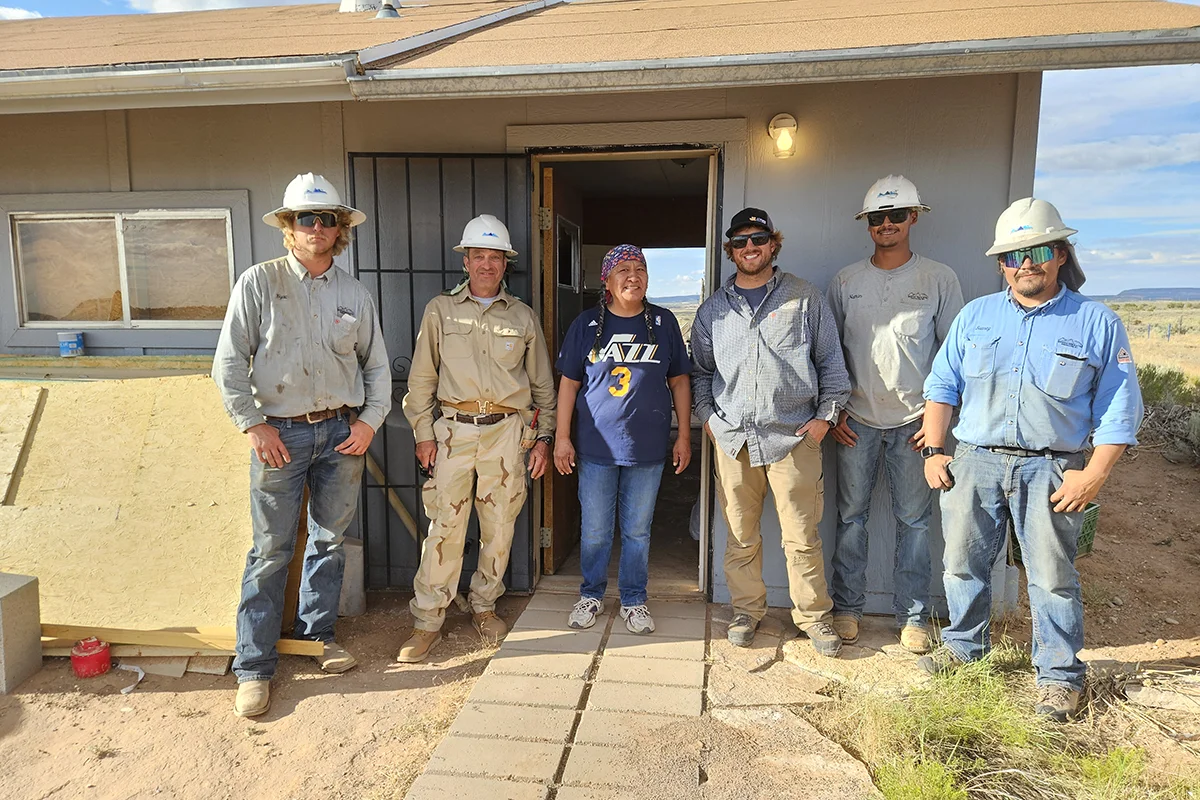
For those who need support in making these changes, programs like Helping Homebound Heroes, a partnership between Meals on Wheels America and The Home Depot Foundation, provide older veterans with essential home modifications and repairs.
“By improving safety and accessibility, we’re helping senior veterans stay in the places they love,” said Ellie Hollander, president and CEO of Meals on Wheels America. “Our work is about preserving independence and dignity — helping older adults live safely, confidently, and with connection to their communities.”
Here are five small fixes that can add up to big peace of mind:
1. CREATE A SAFER ENTRYWAY
For older adults, steps to the front door can be an obstacle. A ramp or zero-step entry allows for easier coming and going, and a covered porch or awning keeps walkways dry. Path lights improve visibility at night, and a sturdy bench by the door provides a place to rest or put groceries.
2. UPGRADE THE BATHROOM.
According to multiple studies, falls in the bathroom are more likely to cause injury than in other parts of the home.
If you’re planning a bathroom project, start with small changes like adding raised toilet seats, installing toilet and shower grab bars, and replacing your shower head with a handheld model. For a more extensive remodel, install nonslip flooring and replace traditional tubs with walk-in showers.
3. IMPROVE FLOORING.
The flooring in your home can have a big impact on safety. If you have thick or loose carpet, consider replacing it with a low-pile option.
Slip-resistant flooring, such as vinyl or cork, also provides good traction and can be more forgiving than hardwood or tile. Simple visual cues can help, too. Transition strips between rooms or on stair edges make changes in floor level easier to see.
4. BRIGHTEN UP ROOMS.
Brighter overhead fixtures improve visibility, making it easier to spot steps, furniture, and other obstacles. Motion-sensor lights brighten bathrooms and hallways so it’s easier to move around safely at night.
5. KEEP ESSENTIALS WITHIN REACH.
Storing everyday items at waist or shoulder height reduces the need for stretching, bending, and climbing, all of which can increase the likelihood of falls. Sometimes a simple cabinet reorganization is enough, but features like pull-down shelving can make storage more accessible.
For more resources and support for older adults, visit https://mealsonwheelsamerica.org