
Site selection is fundamental to successful gardening. This caveat is even more important for trees, which are the backbone of a well-designed landscape. Trees help regulate temperatures, control air quality, prevent soil erosion, and improve property values. They also require a significant investment of time and money, so you want to choose the right trees. Poorly matched trees won’t perform well, will require more maintenance, and are likely to die before their time. Here are some tips for success.
First, determine soil type, space availability, and whether the area is prone to drought or extremely cold temperatures. Consider the tree’s function. Will it provide shade or be an ornamental accent? Will it provide a windbreak or hide unsightly views? Will roots affect sidewalks, driveways, or building foundations? Generally, plant smaller trees 8-10 feet from building walls or corners; medium trees 15 feet away; and large trees 20 feet away.
Second, consider characteristics like foliage, flowers, fruit, seeds, and pollen. I remember springtime in Gunnison when decades-old cottonwoods would bury entire city blocks with fuzzy white seed capsules. Some considered them a nuisance, others found them to be a health concern. Fruit trees produce beautiful flowers, but falling fruit can be messy too. Cleaning purple plums off driveways and sidewalks isn’t easy. Learn about tree life cycles before choosing ones to plant.
Hardiness zones and elevation tolerances are important in Colorado’s diverse climates. Trees hardy to minus 20 degrees are better suited to survive early or late season frosts. Colorado’s native blue spruce and the Austrian pine tolerate cold, heat, drought, wind, and clay soil while offering winter greenery. Deciduous ornamentals like redbud and Japanese lilac pop with color in early spring. Although not the most drought tolerant, redbuds do well when protected from intense sun and wind. Easy-to-maintain Japanese lilacs feature creamy white flower clusters that contrast against dark bark.
Finally, choosing an appropriate site means recognizing how trees might impact underground and overhead utility lines. Before you dig, call 811 or go to the website colorado811.org to request legally mandated location services. You must hire a private locator for private utilities such as gas grills, septic systems, and sprinklers. Locators place flags along the lines to alert you of places to avoid. If you must dig within 18 inches of a flag, dig cautiously with a hand tool. Follow your horticulture guidelines for when and how to plant trees, as they vary.
Both careful planning and maintenance are essential for growing healthy trees. Research and planning can help you get it right.
Master Gardener Vicki Spencer writes on a variety of topics including gardening, electrical safety, and more.
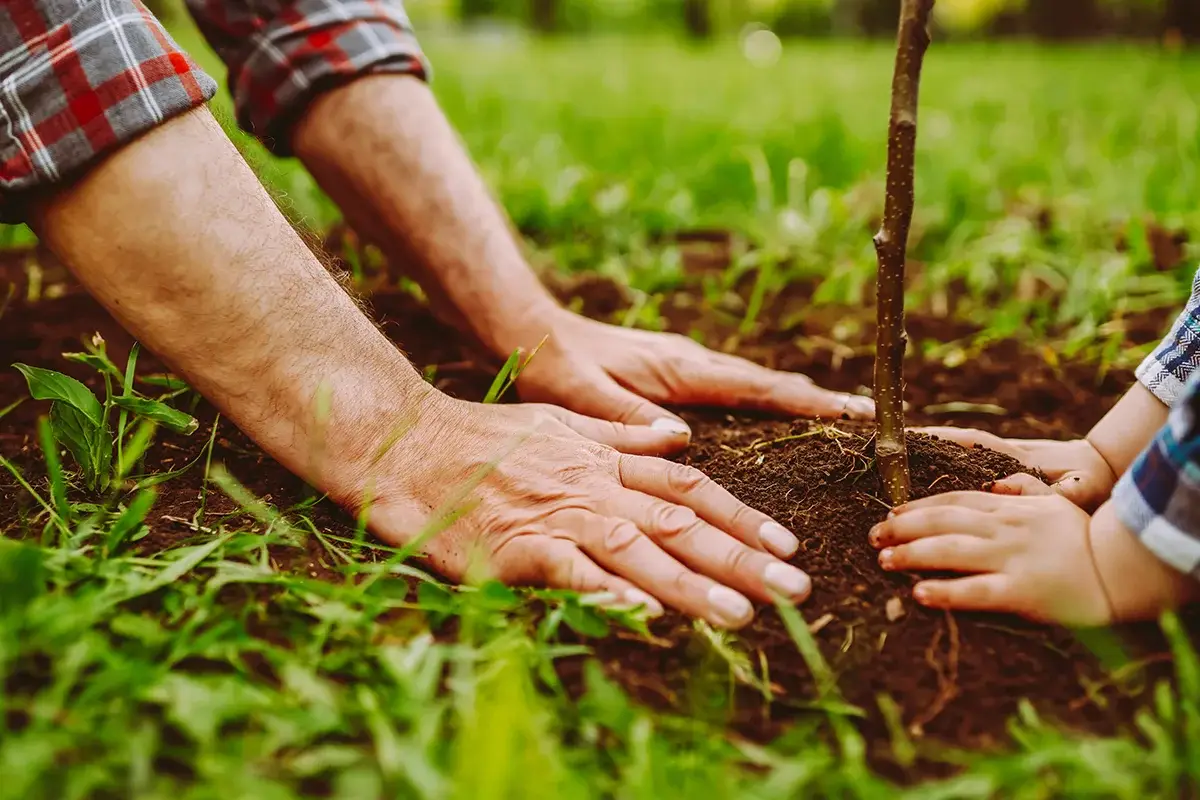
Photo by Maksym Belchenko/iStock/Getty Images Plus via Getty Images