

When you flip a switch, electricity is there — instant, reliable, and ready to power your day. But behind that simple moment is a carefully coordinated system made up of many “grid power players,” all working together to keep the lights on.
At Highline Electric Association, we think it’s important for our members to understand how this system works and who’s involved in delivering the electricity you depend on every day.
It all starts with generation owners and operators. These are the facilities that actually produce electricity. Power plants convert energy from a variety of sources — such as natural gas, coal, nuclear energy, and renewables like wind or solar — into electricity. These facilities may be owned by electric utilities, government entities, or private companies. In our area, a diverse mix of generation sources helps ensure reliability while also supporting affordability and sustainability goals.
Once electricity is generated, it needs to travel — often across long distances — to reach local communities. That’s where transmission owners and operators come in. Using high-voltage transmission lines strung along massive towers, they move bulk electricity from power plants to local areas. You’ve likely seen these lines along highways or across open land. Because electricity can’t easily be stored in large quantities, this system must constantly move power from where it’s produced to where it’s needed, all in real time.
Highline is a member of Tri-State Generation and Transmission Association, our local generation and transmission partner. Tri-State is a private, not-for-profit wholesale power provider that generates and transmits electricity to Highline and other electric cooperatives and consumers in our region.
Coordinating the flow of large amounts of power is a complex job, especially across multiple states or regions. In many parts of the country, organized wholesale markets, managed by regional transmission organizations or independent system operators handle this responsibility. These entities don’t typically own power plants or transmission lines. Instead, they act as traffic controllers for the grid — balancing supply and demand every second of the day and directing which power plants should generate electricity at any given moment. Tri-State works with the Southwest Power Pool to help ensure reliable service and cost-effective energy for Highline’s members.
Then there’s the part of the grid most people are familiar with — your local electric utility. That’s where Highline comes in. We take electricity from the high-voltage transmission system and deliver it directly to your home, farm, or business through lower-voltage distribution lines. We also maintain utility poles, power lines, electric substations, and other essential equipment in our community.
When storms roll through or outages occur, our crews are the ones working to restore power safely and as quickly as possible. At Highline, we’re proud to serve over 11,000 meters across northeastern Colorado and southwestern Nebraska, and we’re committed to providing reliable, affordable electricity you can count on.
Finally, there’s you — the end user. Homes, businesses, and industries all play a critical role in the grid. Your energy use directly influences how much electricity needs to be generated and delivered at any given time. During periods of high demand — like hot summer afternoons or cold winter mornings — the grid must work harder to meet increased usage.
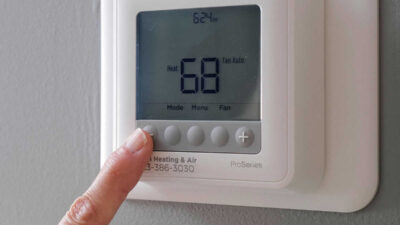
Simple steps like adjusting your thermostat or running appliances during off-peak hours can make a meaningful difference.
Beyond these key power players, there are additional organizations working behind the scenes to ensure our grid remains reliable and secure.
The North American Electric Reliability Corporation develops and enforces reliability standards through a collaborative stakeholder process that includes utilities, regulators, and industry experts. NERC also monitors the grid, trains personnel, and assesses risks to help maintain a strong and resilient electric system across North America.
Meanwhile, the Federal Energy Regulatory Commission provides federal oversight. FERC regulates interstate transmission of electricity and oversees wholesale energy markets to ensure they operate fairly and efficiently. It also plays a role in hydroelectric licensing and energy infrastructure development, helping ensure safe and reliable energy delivery nationwide.
From generation to transmission to your local utility, it takes a coordinated effort to power your everyday life. At Highline, we’re proud to be your trusted energy partner — and to play our part in keeping the grid strong for the communities we serve.
NRECA is the national trade association representing nearly 900 local electric cooperatives. From growing suburbs to remote farming communities, electric co-ops serve as engines of economic development for 42 million Americans across 56% of the nation’s landscape.