
As summer break settles in across Colorado, many families are searching for activities that get kids off screens and outside. Planting a pollinator garden is a simple project that brings the family together while transforming a backyard into a colorful, living classroom filled with opportunities for learning and discovery. By attracting butterflies, bees, and other pollinators, these gardens allow children to observe nature up close while supporting the insects that help keep our ecosystems thriving.
Whether working with a large backyard or a small outdoor space, a few thoughtful choices can help create a welcoming habitat for pollinators. One of the most important steps is selecting native plants. Native plants and pollinators have evolved alongside one another, creating relationships that help both thrive. In Colorado, blanket flowers, bee balm, and penstemons provide valuable nectar sources throughout the growing season, while native shrubs like dwarf rabbitbrush and apache plume offer additional habitat and food. As an added bonus, native plants typically require less water and help improve soil health.
Home gardeners can also support native bees by installing bee houses. Many native bee species nest in cavities found in decaying wood, plant stems, or rock crevices, and bee houses provide an alternative nesting site. Building a bee house can be a fun family project using materials such as wood, bamboo, or cardboard. Once complete, place it where it receives morning sunlight and afternoon shade.
Creating shelter is an important step in supporting pollinators. Turn it into a backyard scavenger hunt by encouraging kids to search for natural habitat features such as fallen branches, leaf litter, and native grasses. Pollinators depend on these spaces for shelter and protection. Simple practices like leaving some leaves on the ground, mowing less frequently and allowing natural areas to remain undisturbed can make a meaningful difference.
Finally, consider avoiding pesticides. While pesticides are often used to control unwanted insects, they can also harm butterflies, bees, and other beneficial species. A diverse, pollinator-friendly garden naturally attracts insects that help keep pest populations in balance, reducing the need for chemical intervention.
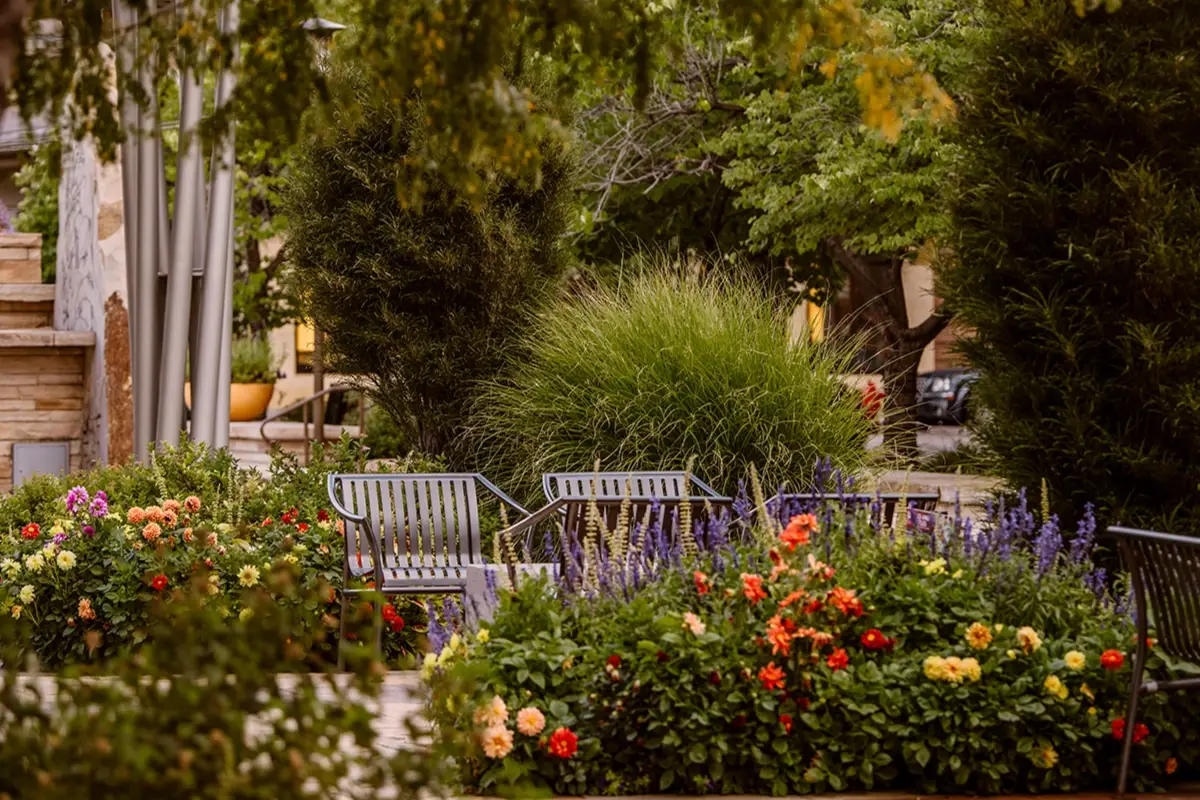
For families who don’t have the space or ability to create a pollinator garden at home, there are still plenty of opportunities to learn about pollinators and connect with nature. Butterfly Pavilion offers an up-close look at butterflies, bees, and other invertebrates, while the Pollinator Loop at the Orchard Town Center in Westminster provides a free, accessible outdoor space created in partnership with Butterfly Pavilion. Visitors can explore the gardens, learn why pollinators are important and gather inspiration for protecting them in their own communities.
For more information and pollinator resources, visit https://butterflies.org.
By Alex Han, Entomology Technician at Butterfly Pavilion