
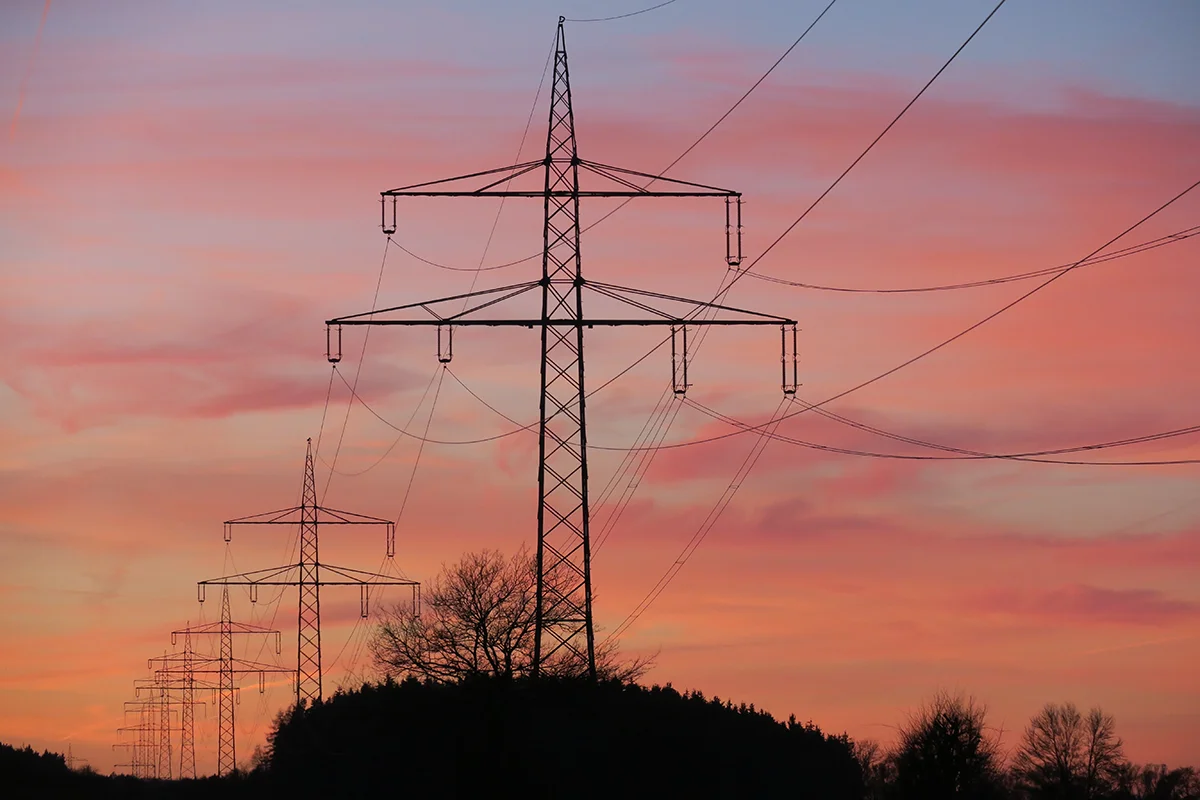
The country’s electric grid with its hundreds of thousands of miles of high-voltage transmission power lines might seem impossible to maintain and watch over. Given its size, it is amazing that 99.9% of the time when you flip a switch, the lights come on.
Who has the task of overseeing this complex web?
Thankfully, we have the North American Electric Reliability Corporation, the official watchdog of the North American bulk power system. The international nonprofit known as NERC sets mandatory reliability standards for all users, owners, and operators of the electric transmission system.
To maintain reliability, NERC oversees and evaluates grid conditions with support from six regional reliability organizations that serve as its on-the-ground partners in identifying potential problem areas. Each summer and winter, NERC releases seasonal grid assessments that evaluate whether electricity supply is sufficient to meet expected demand and highlight regions at risk of shortfalls.
These periodic reports analyze conditions that can increase demand, such as heat waves and severe cold, as well as factors that can constrain generation, including fuel or equipment shortages. They also include recommendations to address current risks and help prevent future problems. When unforeseen threats emerge, NERC issues special assessments as needed.
Every year the organization also provides a long-term grid assessment looking ahead 10 years at what innovations or circumstances may impact the reliability of our interconnected electric energy transmission network.
Providing the electric power industry with timely insight into grid reliability, potential power shortfalls, and strategies to address them is essential to keeping the lights on.
NERC holds workshops and technical conferences and trains industry personnel on how to maintain a secure grid. It also audits owners and operators of the bulk power system to ensure they meet all reliability standards.
NERC operates the 24/7 Electricity Information Sharing and Analysis Center (E-ISAC) that provides the power industry with the latest information on cyber threats, trends, and possible solutions with alerts and advisories. E-ISAC develops and executes GridEx, the largest cyber and physical grid security exercise in North America.
NERC has come a long way from its humble beginning as an industry-led grid watchdog in response to the big Northeast blackout of 1965 that impacted 30 million people. Originally set up as a voluntary entity to better coordinate grid dynamics, today, NERC is the nation’s Electric Reliability Organization that oversees the operation and planning of the grid throughout North America. Empowered by the Energy Policy Act of 2005, NERC develops mandatory, enforceable reliability standards backed by the Federal Energy Regulatory Commission.
Utilities like Colorado’s electric cooperatives, for the most part, are not regulated by NERC. State agencies oversee the distribution power lines that deliver electricity to your home and surrounding communities. But NERC’s authority over the bulk power system that delivers energy across state lines is critical to maintaining reliability in every part of the country, including the most rural areas.
Electric cooperatives that participate in NERC activities advocate for regulations that enable co-ops to plan, maintain, and operate a reliable grid.
So how does NERC impact you as a member of an electric cooperative?
NERC helps ensure the electric grid remains reliable, secure, and resilient for the millions of people who depend on it every day. By developing and enforcing reliability standards, monitoring the bulk power system, and identifying emerging risks, NERC plays a critical role in supporting the safe delivery of electricity across North America.
For electric co-op communities, the work that NERC conducts means greater confidence that homes, schools, farms, and businesses will have reliable power around the clock.
Cathy Cash writes on consumer and cooperative affairs for the National Rural Electric Cooperative Association, the national trade association representing more than 900 local electric cooperatives.